
What to Do With a Lifetime of Belongings Before a Move

For many people, the hardest part of moving isn’t deciding where to go.
It’s deciding what to do with everything you’ve collected along the way.
A lifetime of belongings carries more than just physical weight. It holds memories, milestones, and seasons of life. Family dinners. School years. Hobbies you once loved. Pieces you thought you’d always keep.
If you’re feeling overwhelmed by the idea of sorting through it all, I want you to know this first: this is one of the most common and understandable parts of downsizing. And it’s not something you’re meant to handle by yourself.
Start Earlier Than You Think You Need To
One of the biggest reasons downsizing feels so overwhelming is timing. People often wait until a move is imminent to begin sorting, and by then the process feels rushed, emotional, and exhausting.
Starting early changes everything.
Here in Annapolis and throughout Anne Arundel County, I encourage clients to think of this as a supported, step-by-step process rather than a project they have to power through alone. When you give yourself time, you also give yourself access to help, guidance, and breathing room.
Separate Decisions From Deadlines
When everything feels urgent, every decision feels heavier.
Instead of asking, “What do I need to get rid of?” try asking:
What do I still use?
What do I truly enjoy?
What fits the life I’m living now?
This reframing allows clarity to replace pressure. And it opens the door for conversations with others who can help you think through those decisions objectively and kindly.
Sort by Category, Not by Room
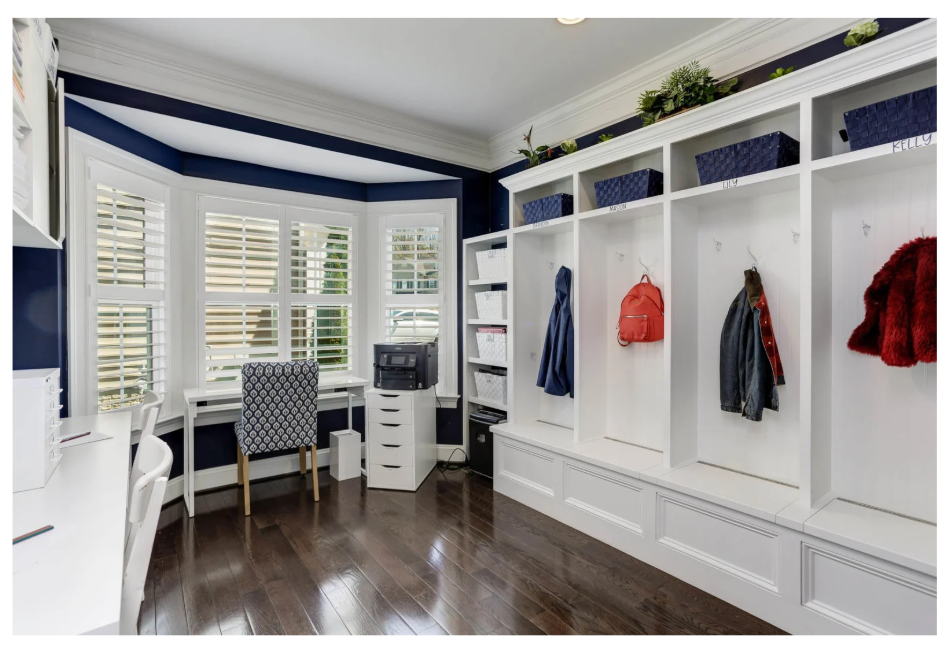
Rooms are full of mixed emotions. Categories are easier
Working by category rather than space allows you to focus and make progress without feeling emotionally drained. It also makes it easier for others to step in and assist you without disrupting your entire home.
Categories to start with:
Clothing
Books
Paperwork
Kitchen items
Furniture
Sentimental items
This approach turns an overwhelming task into a series of manageable steps, often with support alongside you.
Create Clear “Next Step” Piles
Not every decision needs to be made immediately, and no one expects you to have it all figured out at once.
I often suggest simple, flexible categories:
Keep and move
Gift to family or friends
Donate
Unsure (for now)
That last category matters. It gives you permission to pause and revisit decisions later, often with guidance or perspective that makes those choices easier.
Honor the Sentimental Without Carrying the Entire Weight Forward
Sentimental items are usually the hardest, and for good reason. They’re tied to people, not objects.
This is where having support is especially helpful. Someone outside the emotional attachment can help you:
Decide what truly needs to come with you
Create boundaries around keepsake space
Find meaningful ways to preserve memories without keeping everything
Photographs, shared stories, and intentional keepsakes often hold more value than boxes stored away and never opened.
You Are Not Meant to Do This Alone
This part matters, so I’ll say it clearly.
There are people who help with this every day.
〰️
There are people who help with this every day. 〰️
Downsizing support can look like:
Family members who want to be part of the process but don’t know how to step in
Professionals who specialize in organizing, transitions, and estate coordination
A real estate advisor who understands that this is as emotional as it is logistical
In my work here in Annapolis, I’ve seen how transformative it is when clients realize they don’t have to manage decades of belongings on their own or all at once. With the right support, this process becomes calmer, more respectful, and far less overwhelming.
Focus on What You’re Making Room For

Downsizing is often framed as loss, but that’s rarely how it feels on the other side.
It’s making room for:
A home that’s easier to maintain
Spaces that feel lighter and more intentional
Time and energy redirected toward people and experiences you care about
When you’re supported through the process, that shift becomes much easier to see and feel.
One Step. One Decision. One Conversation.
If you’re staring at a lifetime of belongings and wondering where to begin, start small. One drawer. One shelf. One conversation with someone who understands what you’re navigating.
You don’t need to rush. You don’t need to be perfect. And you don’t need to do this alone.